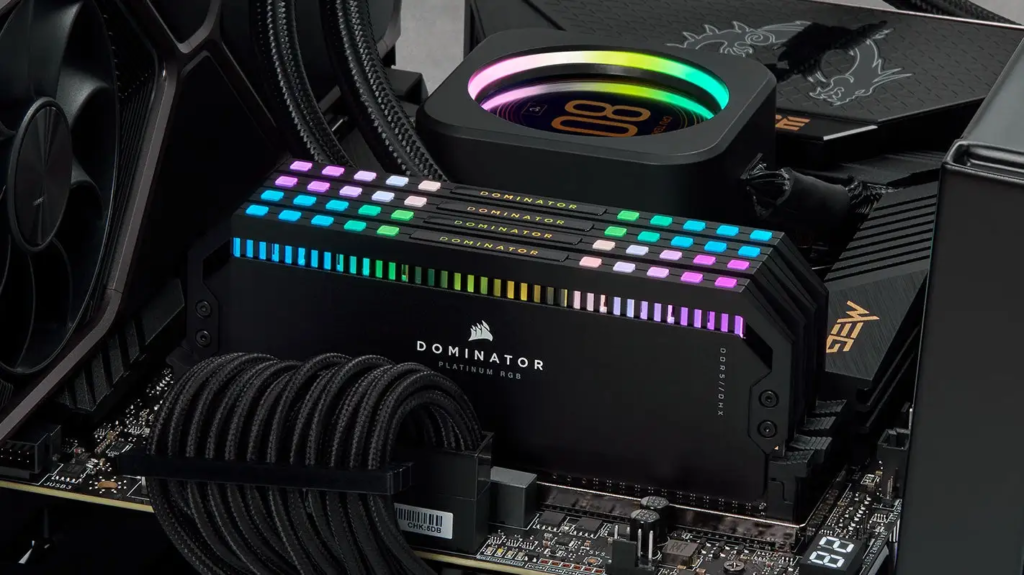
RAM prices are rising across global markets. PC builders notice higher costs immediately. Laptop buyers also face fewer affordable options. Therefore, the memory market has become a growing concern.
This surge does not come from a single cause. Instead, several industry shifts happen at once. AI expansion, manufacturing strategies, and geopolitical risks intersect. Together, they reshape the pricing landscape.
This BytzEcho news report explains why RAM prices are climbing. It also outlines what buyers should expect next.
AI Infrastructure Is Absorbing Global Memory Supply
Artificial intelligence drives unprecedented memory demand. Large language models require vast RAM capacity. Inference workloads also rely on fast memory access. As a result, data centers consume enormous volumes.
Cloud providers continue expanding AI infrastructure. Each server rack requires high-density memory modules. Consequently, enterprise customers secure the supply first. Consumer markets receive what remains.
Manufacturers now prioritize premium memory products. DDR5 and high-bandwidth memory deliver better AI performance. Therefore, production shifts toward higher-margin modules. Entry-level RAM becomes harder to find.
This imbalance pushes prices upward across all segments.
Memory Manufacturers Are Keeping Supply Tight
RAM producers have changed their strategy. Previous oversupply cycles caused severe losses. Therefore, manufacturers now limit output intentionally.
Companies reduce wafer starts and delay capacity expansion. As a result, supply grows more slowly than demand. This approach protects profitability but raises prices.
At the same time, advanced fabrication requires heavy investment. New process nodes cost more to operate. Consequently, manufacturers increase pricing to recover expenses.
With fewer dominant players, pricing pressure remains strong.
Geopolitical Tension Adds Cost and Uncertainty
Global politics increasingly influence semiconductor supply chains. Export controls restrict advanced manufacturing equipment. Trade disputes also slow cross-border logistics. Therefore, production becomes less predictable.
Many countries classify semiconductors as strategic resources. Governments impose new regulations and compliance requirements. As a result, manufacturers adjust sourcing and operations. These changes increase overhead costs.
Shipping disruptions further strain supply. Higher insurance premiums and delays affect delivery schedules. Consequently, companies build larger inventories. Holding extra stock increases final prices.
These geopolitical factors quietly push RAM costs higher.
DDR5 Transition Is Raising the Price Floor
The shift from DDR4 to DDR5 affects the entire market. DDR5 offers higher bandwidth and efficiency. However, it remains more expensive to produce.
Early DDR5 manufacturing suffered from yield issues. Although production improved, costs remain elevated. Power management components add further expense. Therefore, DDR5 pricing stays high.
New CPUs and platforms accelerate adoption. DDR4 production slows in response. As a result, both standards experience rising prices.
This transition raises the minimum cost of modern memory.
Consumer Electronics Demand Is Recovering
After a slow period, device shipments are rebounding. Laptop sales show steady improvement. Smartphone refresh cycles also return. Therefore, memory demand increases broadly.
Gaming contributes significantly to this trend. Modern games require more system memory. Handheld gaming PCs and consoles also use larger RAM pools. Consequently, gaming competes for the same supply.
Smart devices add additional pressure. Routers, TVs, and IoT products now include more memory. Even small increases scale quickly.
This demand recovery tightens the market further.
Inflation and Currency Shifts Are Amplifying Prices
Rising global inflation impacts semiconductor manufacturing. Energy and labor costs increase production expenses. Therefore, manufacturers adjust pricing to maintain margins.
Currency fluctuations also influence local pricing. Memory trades primarily in US dollars. When local currencies weaken, import costs rise. Consequently, regional prices spike faster.
Distributors and retailers pass these costs forward. Hedging strategies also affect retail pricing. As a result, consumers see higher final prices.
Macroeconomic pressure amplifies existing supply issues.
What This Means for Buyers Right Now
Higher RAM prices change buying strategies. Budget PC builds feel the impact most. Therefore, careful component planning matters.
Watching for sales still helps, but discounts appear less often. Used or refurbished modules may offer value. However, compatibility and warranties require attention.
For laptops, upgrading later may cost more. Choosing sufficient memory up front becomes important. Matching capacity to real workloads saves money.
Smart purchasing reduces exposure to price spikes.
Market Outlook: Stabilization, Not Relief
Short-term price drops appear unlikely. AI demand continues to grow rapidly. Supply expansion remains conservative.
However, price acceleration may slow later this year. Improved yields and incremental capacity could help. Seasonal demand shifts may also ease pressure.
Long-term trends suggest higher average memory prices. Advanced workloads require complex memory solutions. As a result, deep discounts become rare.
RAM remains essential infrastructure. Understanding the forces behind pricing helps buyers plan ahead.
Price Timeline: When the Spike Peaks and When Relief May Come
Market indicators suggest the current RAM price spike will continue in the near term. Based on supplier guidance and demand signals, prices are likely to keep rising for the next 3 to 6 months. The strongest upward pressure should peak between late Q2 and early Q3.
Several factors support this outlook. AI infrastructure spending remains aggressive through mid-year. At the same time, manufacturers show no signs of rapid capacity expansion. Therefore, supply constraints will persist during this period.
After the peak, prices may begin to stabilize rather than drop sharply. A gradual slowdown could start in Q4, assuming improved DDR5 yields and softer seasonal demand. However, stabilization does not mean a return to previous lows.
A meaningful price decline would likely require one of two triggers. Either AI investment slows unexpectedly, or manufacturers expand output faster than planned. Currently, neither scenario appears imminent.
As a result, analysts expect moderate easing in late Q4, followed by a flatter pricing trend into early next year. Any reductions will likely be incremental, not dramatic.
For buyers, this timeline suggests caution. Waiting a few weeks may not bring savings. However, purchasing during short-term promotions later in the year could offer limited relief.
In summary, the spike still has momentum. Relief may come, but patience and timing will matter.
Why This Matters
Rising RAM prices affect more than PC upgrades. They increase laptop costs, raise gaming hardware prices, and push enterprise IT budgets higher. As AI and data centers absorb the memory supply, consumers and small businesses face limited options. Understanding this trend helps buyers time purchases, avoid overpaying, and plan hardware investments more effectively.


